

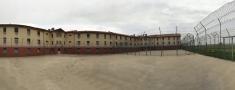
A büntetés-végrehajtási szervezet mára részben önfenntartóvá vált, hiszen a belső ellátás keretében számos termék fogvatartotti munkával készül: a baracskai és a szegedi péküzemekben 2017-ben 156 féle péksüteményből közel tízmillió darabot készítettek az elítéltek.

In Service of Justice
The Age of Reforms and the Compromise of 1867
The young politicians of the Reform Age (József Eötvös, Bertalan Szemere, Lajos Kossuth) and liberal thinkers (Károly Balla, Farkas Bölöni, Móricz Lukács) have embraced again the issue of the prison service. In the early 1840s a new draft for a Prison Code was compiled which stated that ten prisons must be built. The arguments however lost their power on the opposition of the Vienna Chancellery.
After the defeat of the freedom fight the country was forced to adapt the Penal Code of Austria. The Habsburg Government faced an immense lack of space. They have reconstructed old castles and other public buildings into prisons – keeping in mind the most important aims: cost-effectiveness and time. The Pest County Prison was moved to Vác, into the building that housed the college of young noblemen founded by Mária Terézia. The old Pauline monastery in Márianosztra was handed over as a prison for females.